


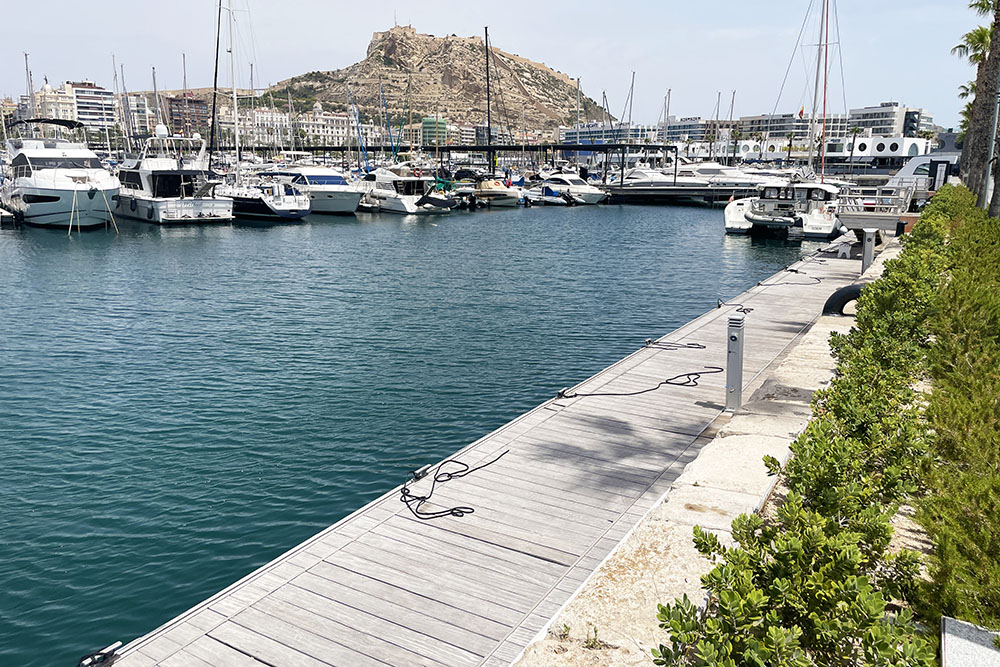
Marina Deportiva offers secure moorings and a full range of services for pleasure craft in a strategic location within the bay. Its design facilitates manoeuvring, accessibility and comfort throughout your stay.
We offer rates based on the boat’s length and the season, as well asannual
subscriptions with preferential terms.
Marina Deportiva de Alicante doesn't see sustainability as just a marketing ploy: it's part of its daily operations. Our quality and environmental policy is applied in a real and auditable way, with concrete measures, investment in clean infrastructure, and procedures that require all staff, suppliers, and users to comply with applicable environmental standards.
The management of MARINA DEPORTIVA DEL PUERTO DE ALICANTE, S.A. is committed to providing services that guarantee customer satisfaction and respect for the environment. To this end, it maintains a Quality and Environmental Management System, in accordance with ISO 9001 and ISO 14001 standards, audited by a certification body accredited by ENAC. Based on this premise, improvement objectives are reviewed periodically, and the application of this policy is required of all companies operating in the Marina.
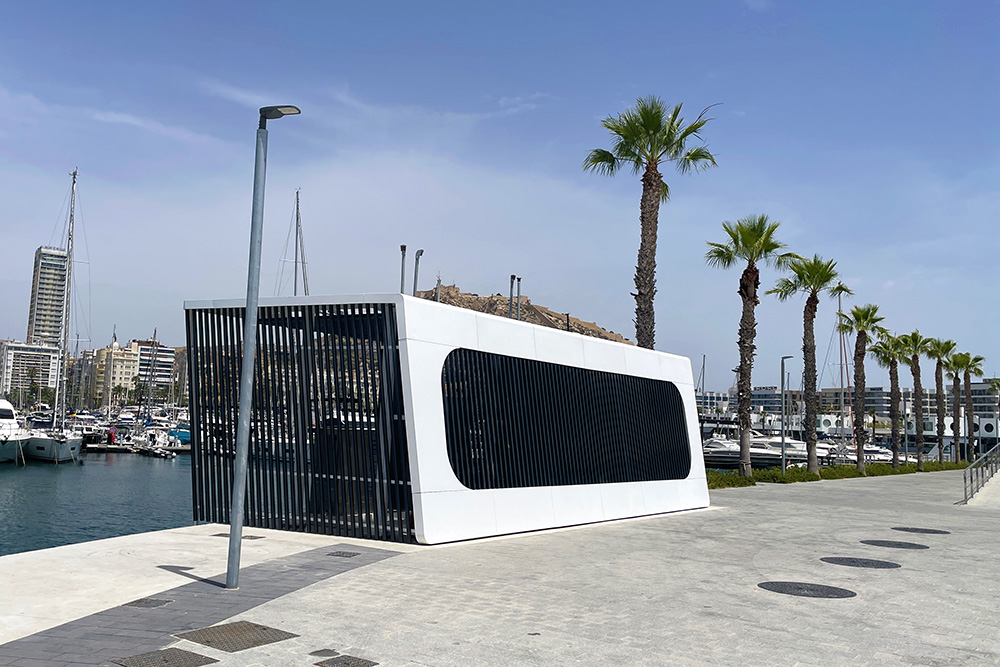
The marina has installed a 367.2 kWp photovoltaic plant comprising some 680 bifacial solar panels, capable of harnessing both direct sunlight and light reflected off the sea to maximise energy production for self-consumption. The installation powers the lighting, offices and communal facilities, reducing dependence on the conventional electricity grid.
The project, developed by Prosolia Energy, prevents approximately 133 tonnes of CO₂ emissions per year and cements Marina Deportiva’s position as a leader in the use of clean energy in marinas.
The marina has installed a 367.2 kWp photovoltaic plant comprising some 680 bifacial solar panels, capable of harnessing both direct sunlight and light reflected off the sea to maximise energy production for self-consumption. The installation powers the lighting, offices and communal facilities, reducing dependence on the conventional electricity grid.
The project, developed by Prosolia Energy, prevents approximately 133 tonnes of CO₂ emissions per year and cements Marina Deportiva’s position as a leader in the use of clean energy in marinas.
Marina is registered with the Valencian Community’s Register of Small Producers of Toxic and Hazardous Waste and applies strict waste management protocols in accordance with MARPOL regulations, in collaboration with authorised waste management operators. Furthermore, it has an agreement with the Alicante Port Authority for the proper collection and treatment of waste from recreational craft, which also enables it to issue receipts for the disposal of used oil.
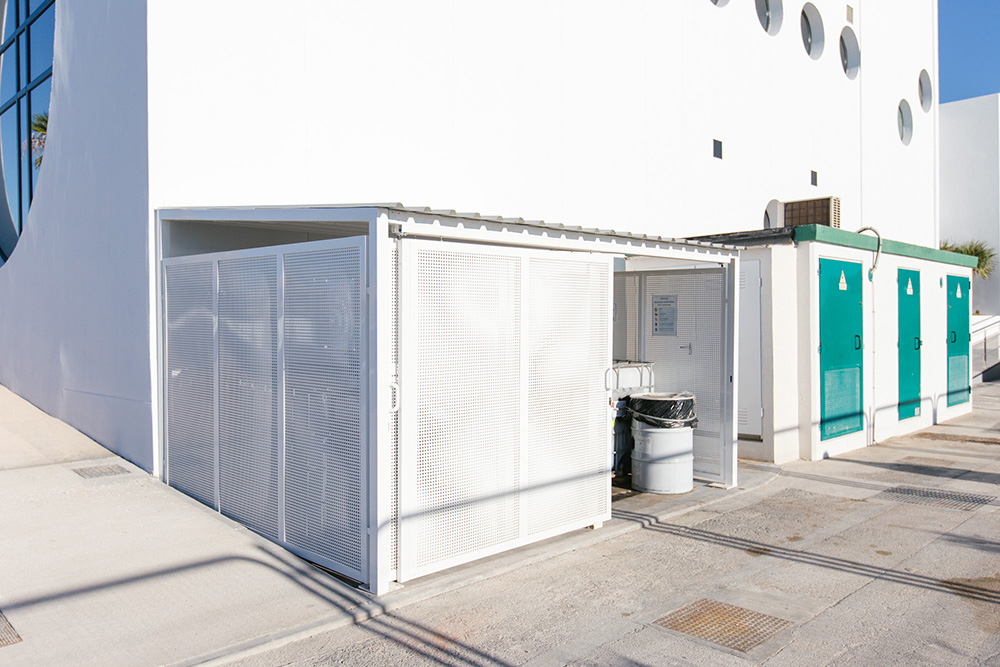
The facility encourages the separate collection of waste through bins placed throughout the site for packaging, paper, glass and organic waste. These measures are complemented by the separate collection of household waste, regular seabed clean-ups and annual water quality analyses.
Marina Deportiva sets regular quality and environmental objectives and establishes technical and financial resources to prevent pollution at its source. Ongoing staff training is provided, environmental activities are carried out, and awareness campaigns are conducted to minimize consumption, promote reuse, and improve recycling habits. Procedures include documented controls and internal audits that ensure the implementation of these measures.
Marina Deportiva sets regular quality and environmental objectives and establishes technical and financial resources to prevent pollution at its source. Ongoing staff training is provided, environmental activities are carried out, and awareness campaigns are conducted to minimize consumption, promote reuse, and improve recycling habits. Procedures include documented controls and internal audits that ensure the implementation of these measures.
The results are monitored and translated into operational criteria: self-consumption rates, tonnes of CO₂ avoided, percentage of waste recycled and number of seabed clean-up operations. These indicators serve as a basis for reviewing targets and for reporting progress to clients, the authorities and stakeholders.
Marina Deportiva del Puerto de Alicante S.A. has made an investment of €596,131.92—for which it received €114,658.20 in funding—to install a 371.52 kWp photovoltaic system. This project was carried out under the incentive program for self-consumption and storage using renewable energy sources, within the framework of the Recovery, Transformation and Resilience Plan funded by the European Union – NextGenerationEU.
